Copyright: TTM gmbh
Trier
Why travel far when something wonderful is so close at hand?
Let yourself be enchanted by the beautiful city of Trier, Germany’s oldest city. A visit is always worthwhile, whether you explore one of its museums or stroll through the historic Old Town. Everywhere you go, you will encounter traces of the Romans, offering a glimpse into life in Augusta Treverorum more than 2,000 years ago and revealing the remarkable culture they had already developed. A legacy of immeasurable value—experience the cultural heritage of the Romans in Trier up close.
Sights
17 results
Porta Nigra
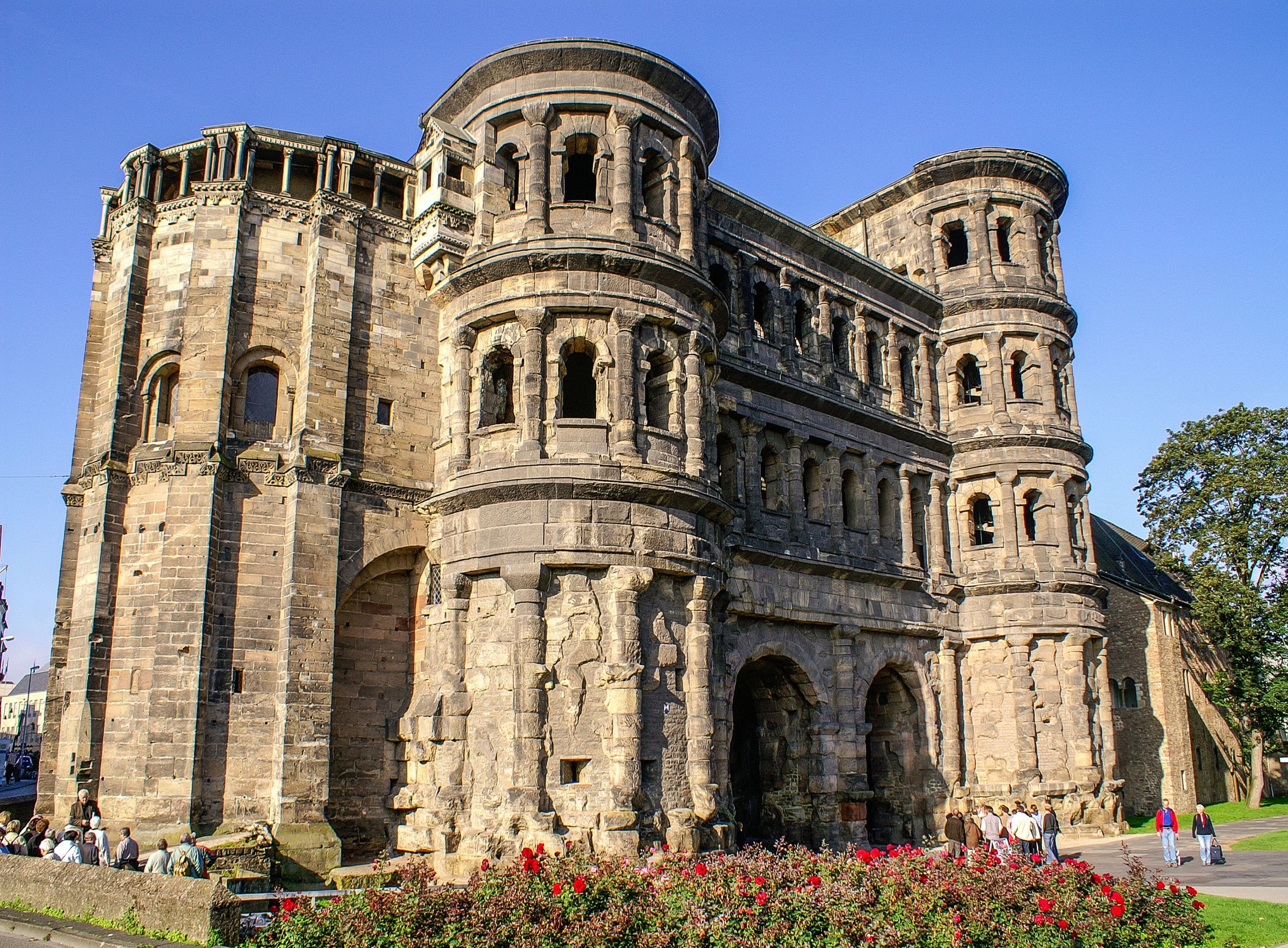
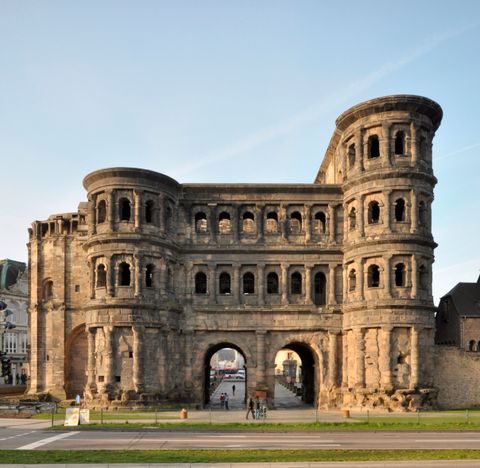
The Porta Nigra is the best-preserved Roman city gate north of the Alps, and is on the UNESCO World Cultural Heritage list.
The Dom Trier
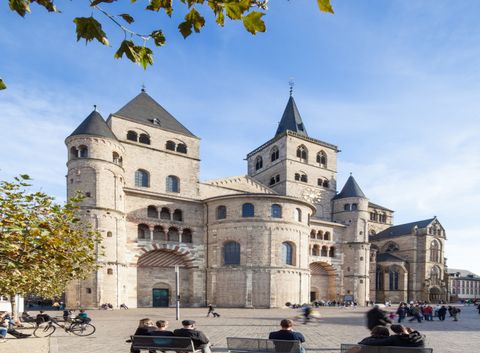
Trier Cathedral is the oldest bishop church and is located in the center of Trier.
Thermal baths on the Viehmarkt
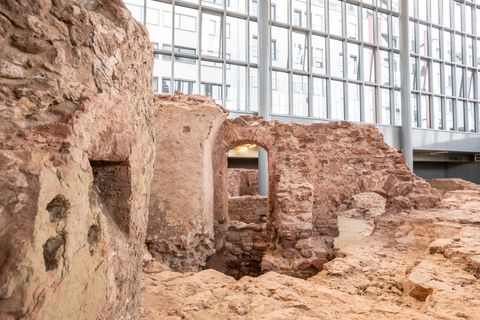
The thermal baths on the cattle market are surrounded by a protective glass building. An impressive variety of archaeological evidence can be admired here.For more information please visit
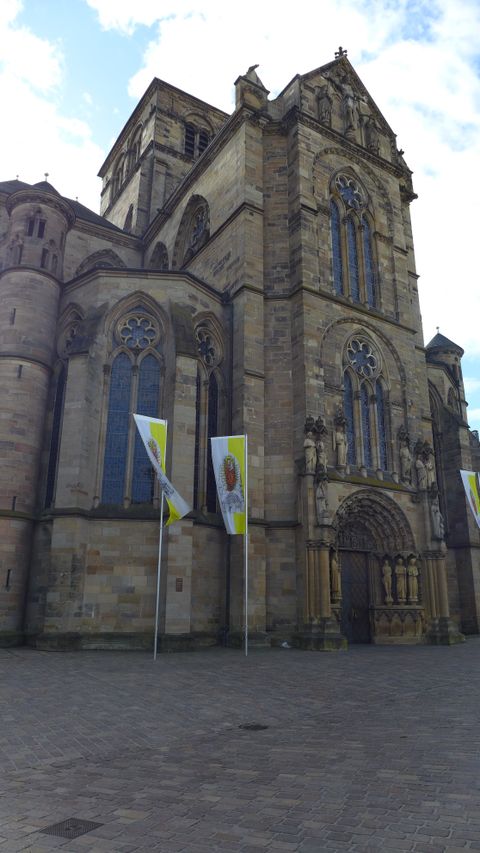
Liebfrauen-Basilika
The Liebfrauen-Basilika in Trier is the oldest gothic church in Germany.The floor plan has the shape of a Greek rose.
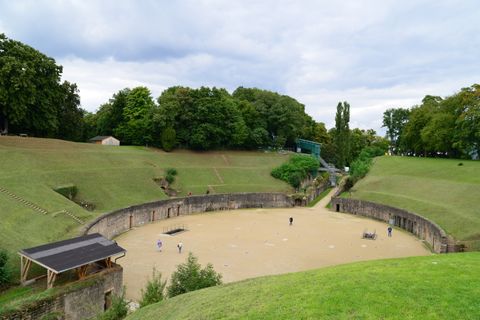
Amphitheater
The Amphitheater delighted the population of ancient Trier as a place of entertainment, and can still be visited today including the arena, the tiered seating and the cellars
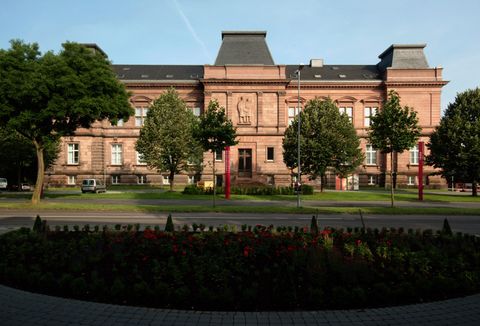
Rhine State Museum Trier
The Rheinisches Landesmuseum Trier is one of the most important archaeological museums of Roman antiquity in Europe.
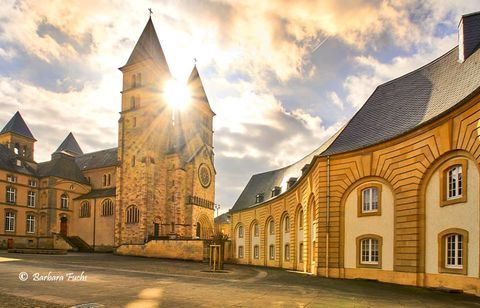
Basilica of Echternach
EchternacherbrückThe actual basilica is the fifth church to have been erected in this place. The first one was built by St Willibrord, after he had received donations by Abbess Irmina of Oeren (near Trier) and Pippin II in the years 698 and 706 (Merovingian church). Soon after his death on 7th November 739 this church was too small, as pilgrims came to his grave in great numbers to worship him as a saint.
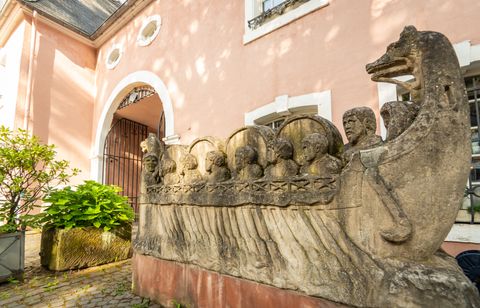
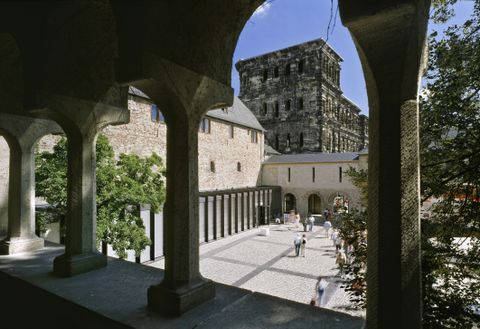
City Museum Simeonstift
Adjoining the Porta Nigra is the 11th century Simeon's College, residence of priests who read mass in the two churches of St. Simeon.
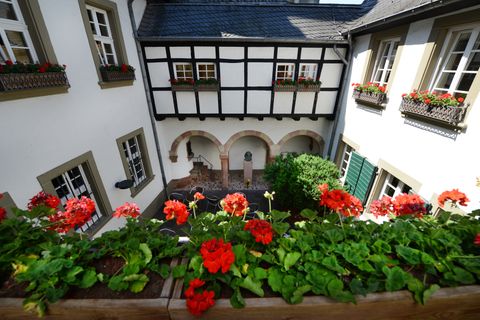
Karl Marx House
The permanent exhibition "Karl Marx (1818-1883), Life - Work - Impact to the Present" introduces Karl Marx as a historical person, maturing his philosophical and economic ideas as well as their effects on the course of history and the present time.