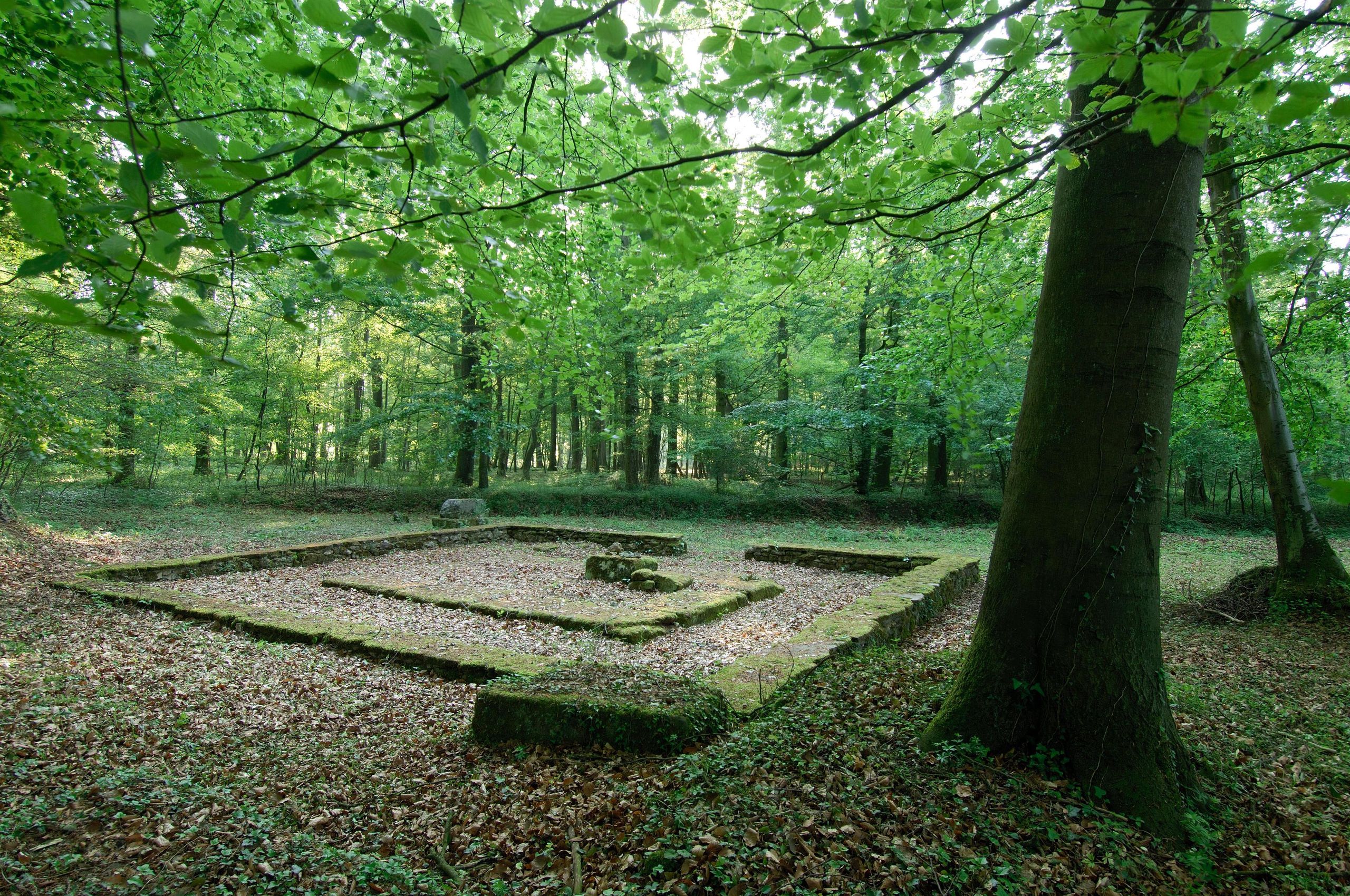
Copyright: Deutsch-Luxemburgische Tourist-Information
Roman roads
You can find information on all the stations of the Roman roads at https://www.strassen-der-roemer.eu/
Roman buildings in Trier-Land and Luxembourg
20 results
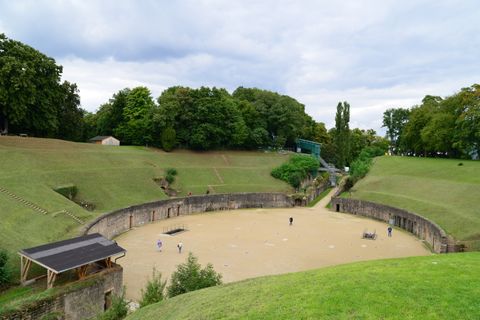
Amphitheater
The Amphitheater delighted the population of ancient Trier as a place of entertainment, and can still be visited today including the arena, the tiered seating and the cellars
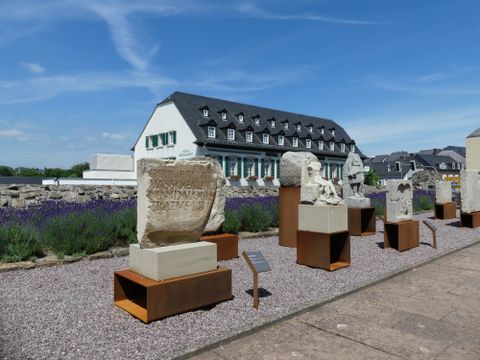
Hiking
Archaeological Tour
BitburgOpen at all times
Distance:859 m
Duration:0:45 h
Difficulty:Easy
Discover the Roman history of Bitburg
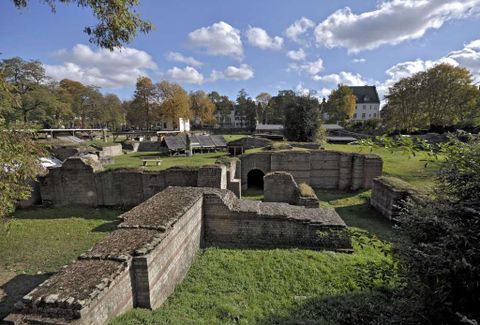
Barbarathermen
The monumental spa complex was the second largest bathing complex in the entire Roman Empire from the 2nd century AD. The Barbara Baths covered an area of 42,000 square meters, which is almost the size of six football fields.
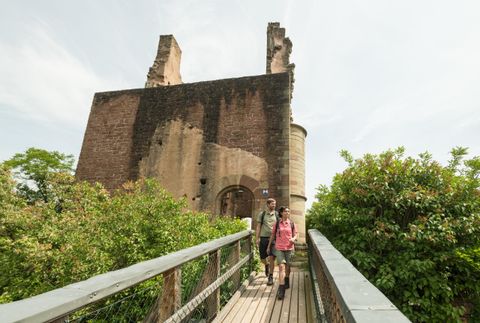
Burg Ramstein - Eine gotische Ruine im Kylltal
KordelOpen today
The construction of Ramstein Castle near Korde dates back to the Electors of Trier. The castle Ramstein (today ruin) is lonely located on a sandstone rock south of Kordel.
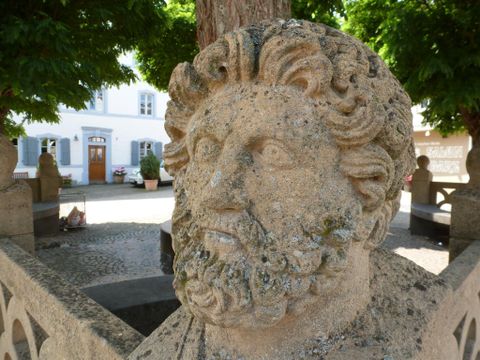
Castle & hermen complex
WelschbilligOpen today
Already in the middle of the second century, the Romans had a villa in Welschbillig. In the second half of the fourth century, they constructed an even larger one, which in U-shape was connected west of a 60-by-20-meter pond, surrounded by 112 herds.
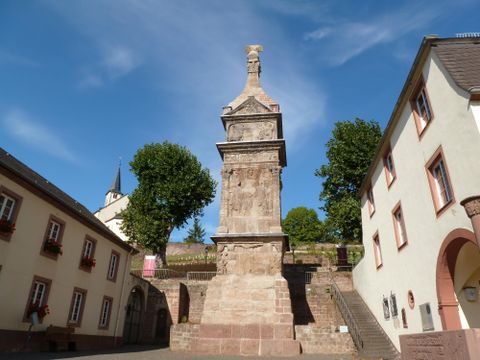
Column of Igel near Trier (UNESCO World Heritage Site)
IgelOpen today
UNESCO World Heritage Site Igeler Säule. The column was built in the first half of the 3rd century AD by a wealthy cloth merchant family. In November 1986, the 23 m high column was declared a World Cultural Heritage.
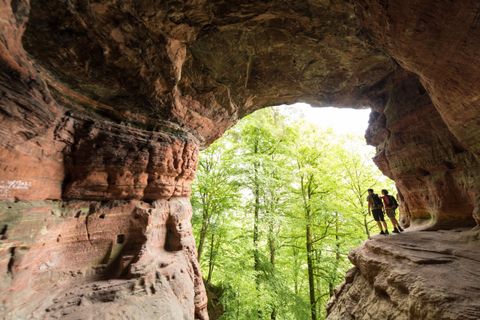
Genoveva cave
KordelOpen today
Near the Kyll Valley lies the imposing and legendary Genoveva Cave. The premium hiking trails Eifelsteig and Römerpfad guide hikers to this spot in the middle of an enchanted forest. Over millions of years, the forces of nature carved the shell-shaped cave out of the massive rock. Since the Stone Age, it has offered people shelter from the elements and wild animals. According to legend, Genoveva, the doomed wife of Count Palatine Siegried, also found a safe hiding place here for many years.
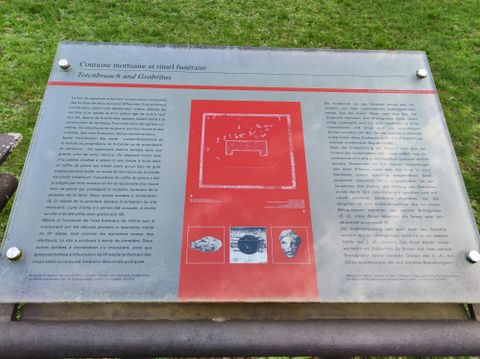
Grave monument
GrevenmacherOpen today
This considerable tomb from Roman times was excavated in the years 1972/73 and then restored. Both reliefs with mythological scenes as well as pictures from the everyday life of the builder's family are shown.
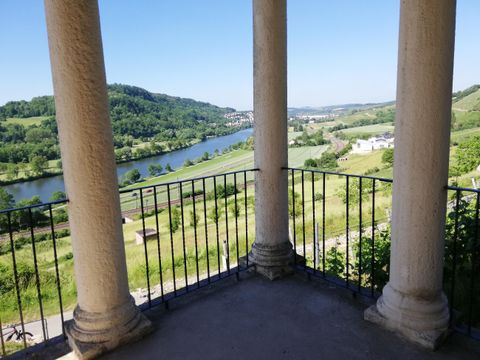
Grutenhäuschen (Roman Tomb)
IgelOpen today
As a resting place, the small Roman temple, the Grutenhäuschen, offers visitors a breathtaking view of the nearby Moselle.
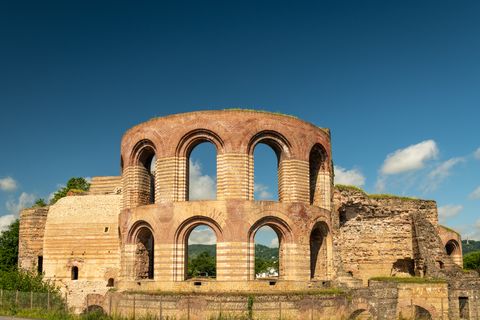
Imperial Baths
Trier was already a flourishing trading town when it was elevated to an Imperial residence in Late Antiquity. The construction of the Kaiserthermen, the Imperial baths, thus began in the 3rd century CE and formed part of a major building programme for an Imperial palace district. Since 1986 the mighty ruins have been on the UNESCO World Cultural Heritage list