Copyright: Nicole Zimmer
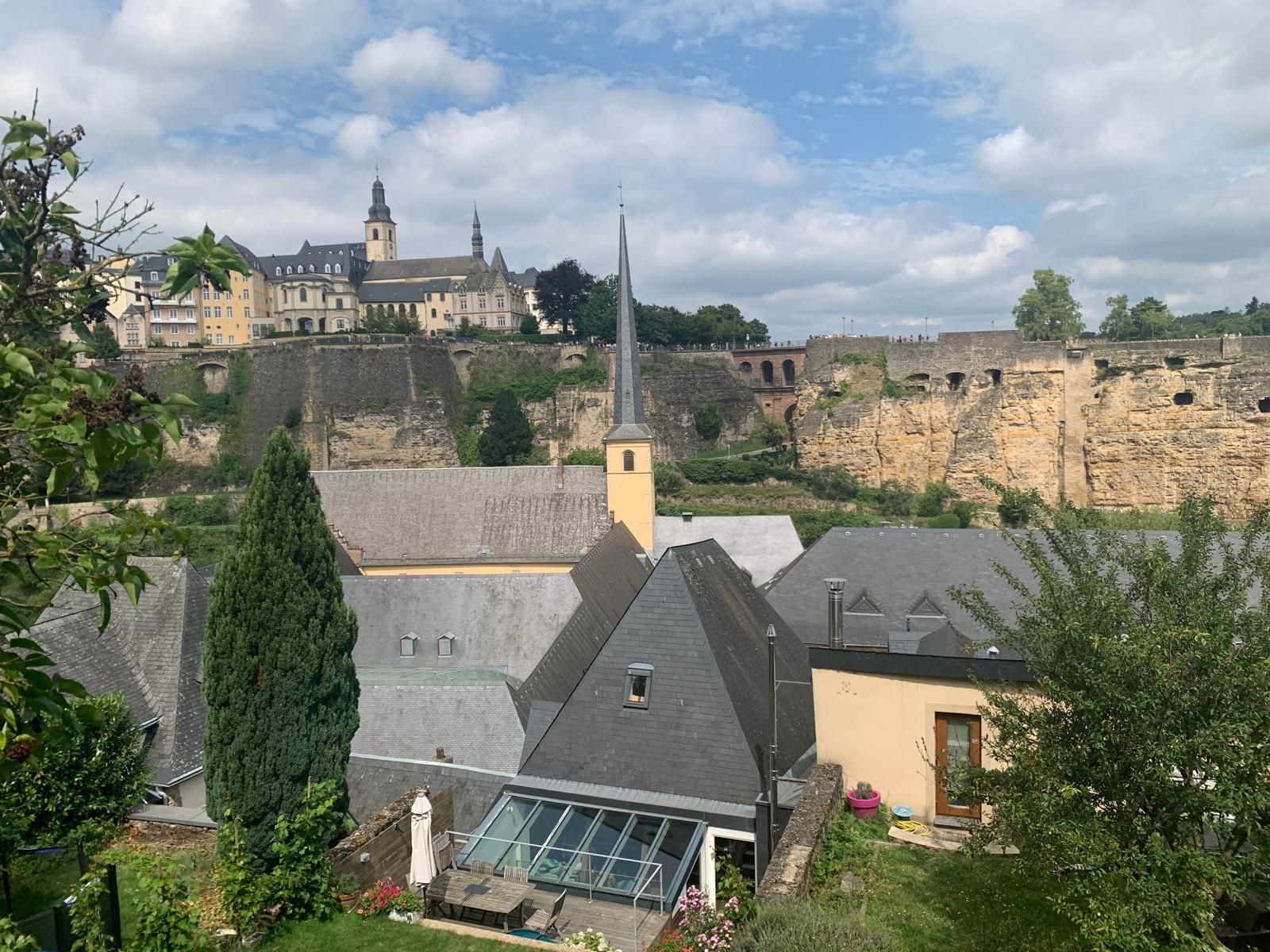
Luxembourg City
Discover the 1,000-year history of this capital city with its international flair. Whether you visit one of its many museums, join a themed guided city tour, or explore on your own, there is something to suit every interest. Be impressed by the Grand Ducal Palace, the official residence of the Grand Ducal Family, or follow the "Wenceslas Walk," named in memory of Duke Wenceslas, to discover the fortress walls and the famous casemates in the historic heart of Luxembourg's Old Town, which has been designated a UNESCO World Heritage Site.
Sights
20 results
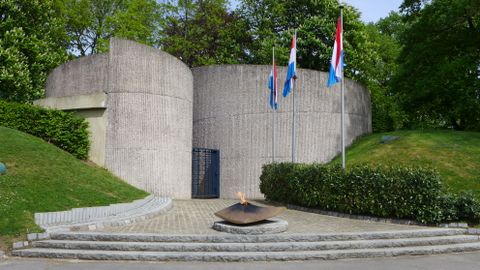
National Monument of the Solidarity
Rising on the so-called Cannon Hill, it commemorates the dead of the Second World War and recalls the resistance and the solidarity of the Luxembourg nation in the face of the Nazi occupation.
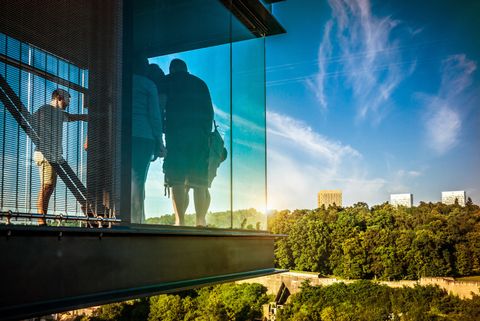
Panoramic Elevator of the Pfaffenthal
Opened in 2016, the glass elevator covers 71 meters and connects the upper city center to the Alzette Valley. It offers unique panoramic views.The ride is free of charge.
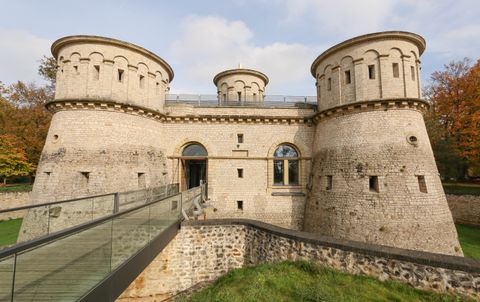
Museum Dräi Eechelen: fortress, history, identity
The Musée Dräi Eechelen – fortress, history, identity, inaugurated in 2012, is situated in the extraordinary restored keep of the historic fort Thüngen, built in 1732-33
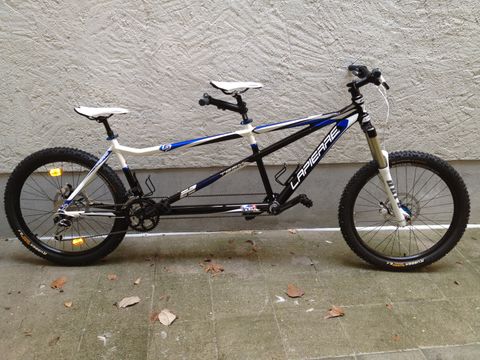
Vélo en ville - bike rental Luxembourg City
Vélo en ville rents bicycles for the entire family.
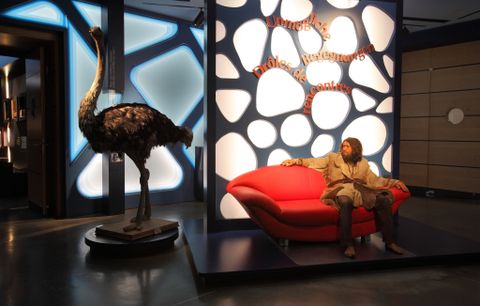
National Museum of Natural History
Visitors come to the ‘natur musée’ because they are interested in natural history and natural sciences in general, or because the issues raised in the permanent and temporary exhibits are exceptional, instructive, sometimes surprisingly uncommon and always deserve the mention. The museum shows in a simple, understandable and exciting way what natural history is: the discovery of Nature’s diversity in connection with a love of science.
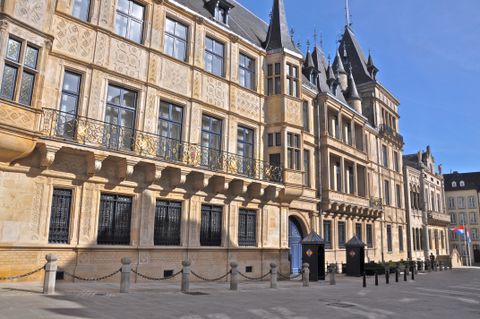
Grand Ducal Palace
The Grand Ducal Palace is located in the heart of the Old Town and serves as the city residence of the Grand Ducal family. The magnificent interiors can be visited from mid-July to the end of August.
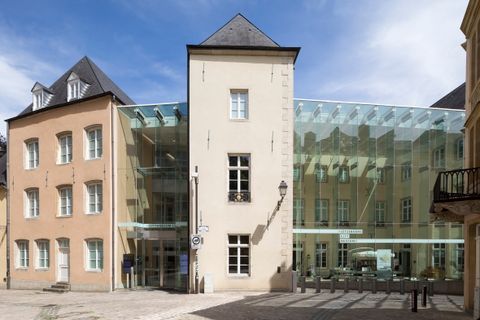
City Museum Luxembourg
The Lëtzebuerg City Museum is set in the old part of the city, embedded in an ensemble of historical buildings. On four storeys, partly dug into the rock, the visitor can discover the history of the city through original exhibits and topographical models, supplemented by a multimedia system. Temporary exhibitions regularly take place in the upper storeys.
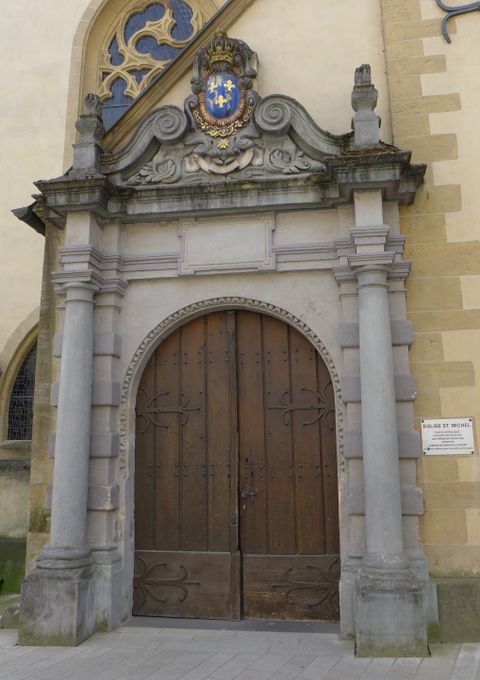
St. Michael Church
The church of St Michael is the oldest holy building in the city.
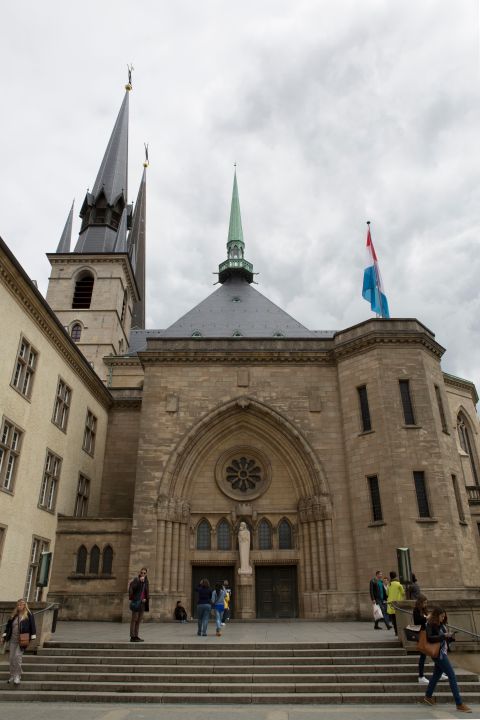
Cathedral of the Blessed Virgin in Luxembourg City
The church is a remarkable instance of late Gothic style, revealing various components and ornaments inspired by Renaissance style.
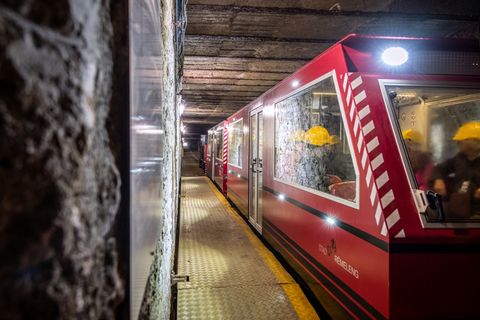
Luxembourg Pass: access to more than 70 attractions
Nowhere else can you visit a whole country with a single tourist “passport”. The Luxembourg Pass gives free access and large reductions for more than 90attractions. It’s a real “must have” for groups, families and individuals.