Copyright: Nicole Zimmer
Luxembourg City
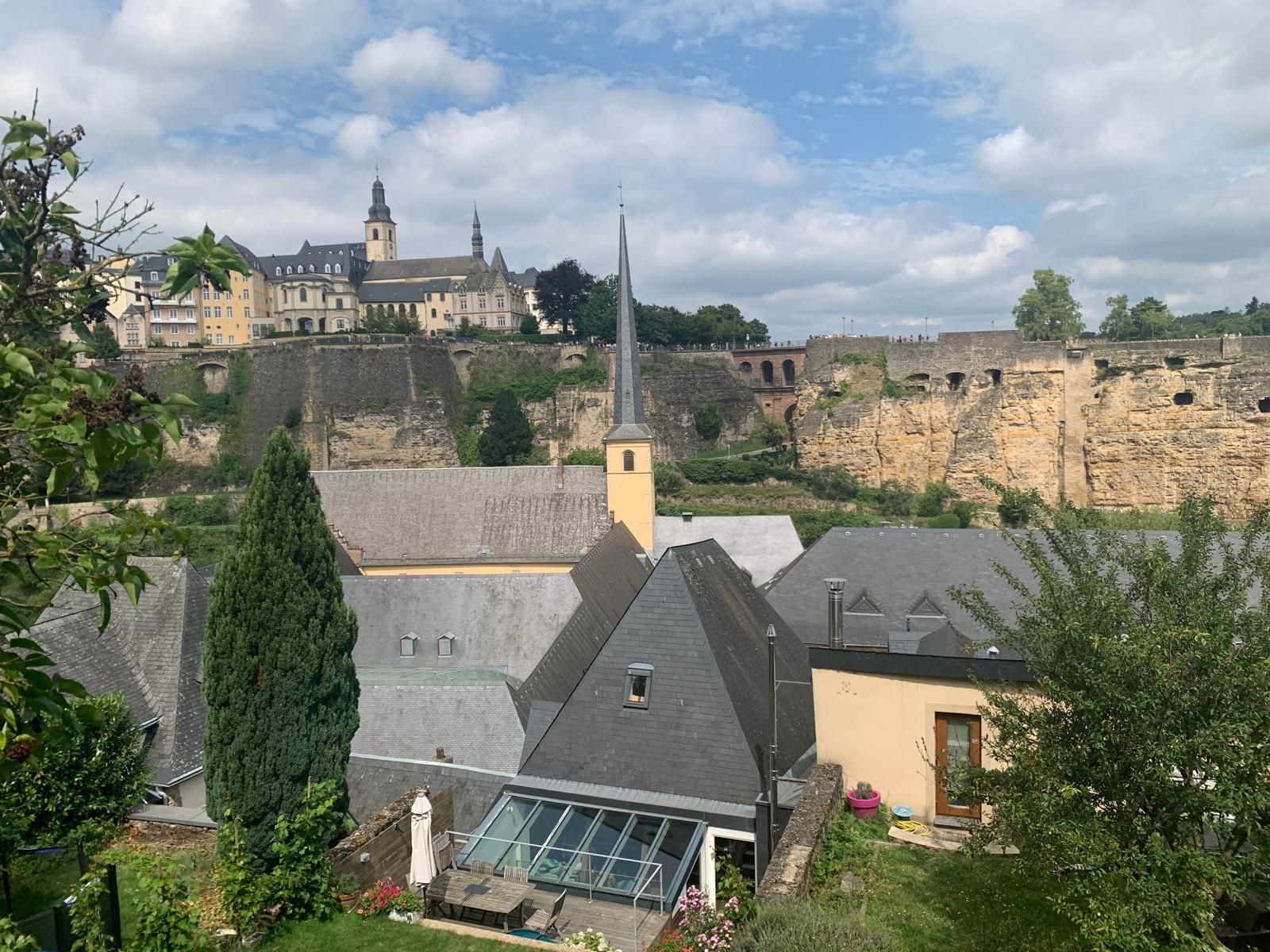
Discover the 1,000-year history of this capital city with its international flair. Whether you visit one of its many museums, join a themed guided city tour, or explore on your own, there is something to suit every interest. Be impressed by the Grand Ducal Palace, the official residence of the Grand Ducal Family, or follow the "Wenceslas Walk," named in memory of Duke Wenceslas, to discover the fortress walls and the famous casemates in the historic heart of Luxembourg's Old Town, which has been designated a UNESCO World Heritage Site.
Sights
20 results
Boubon Plateau
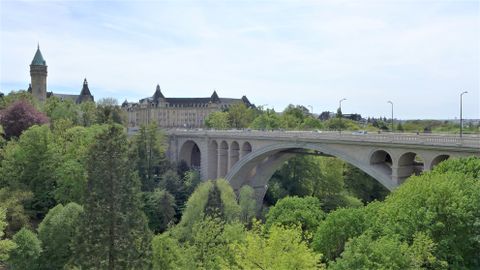
The Bourbon plateau got its name from the former Fort Bourbon and it had been included in the fortification for ages.
Justice quarter
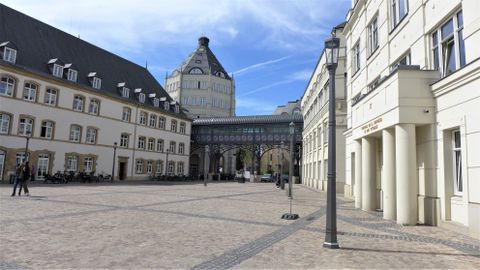
In 2008, the construction of the new justice quarter on "Plateau du Saint-Esprit" was completed.
Museum Mudam
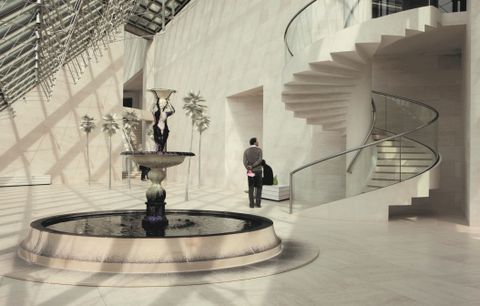
As a major actor in Luxembourg’s cultural scene, and as an internationally recognised institution, Mudam, which celebrated its 10th anniversary in July 2016, is attracting an increasingly wider audience. Aware of the diversity ofcontemporary creation, the museum cultivates the curiosity and openness by developing a forward-looking and pluralistic programme, both through the originality of its exhibitions and the various collaborations it initiates.
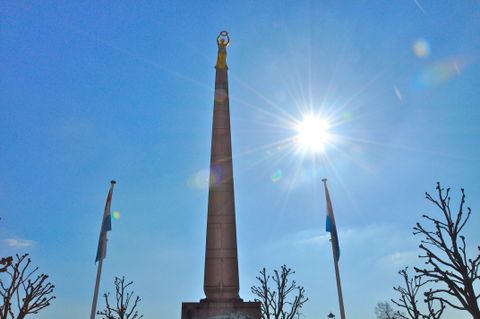
Memorial Gëlle Frau
On the Constitution Square the "Gëlle Fra" set-up in 1923 to commemorate the fallen soldiers of the First World War. The monument is a symbol of the freedom and resistance of the people of Luxembourg.
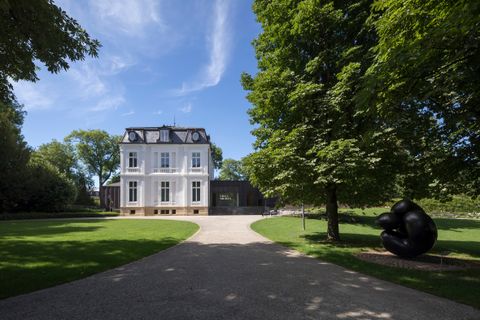
Villa Vauban Museum
Bourgeois villa architecture, in a 21st-century interpretation.
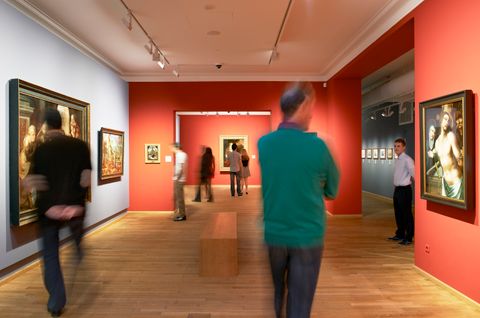
National Museum of History and Art
In its new building, inaugurated in 2002, and in three historic houses renovated in 2014, the National Museum of History and Art shows the national archaeological, historical and artistic collections in more than 6,000 m2. It is a key cultural attraction for those who wish to understand the history of Luxembourg through its public collections. The Museum’s prologue offers an uplifting introduction by displaying a brief history of the country and the Museum since 1839. The visitor is then invited to continue his journey along the route of his choice. There are four circuits to choose from: territorial archaeology from prehistory to the middle ages; national and international painting and sculpture from the 14th century to the present day; life in Luxembourg from the 16th century to the present day; and monetary history from antiquity to the present day. Beyond the newly outfitted permanent collections featuring the jewels of the Museum, the MNHA also regularly offers major temporary exhibitions that resonate with its own collections. Visitors can also admire works by the famous Luxembourg-born American photographer Edward Steichen.
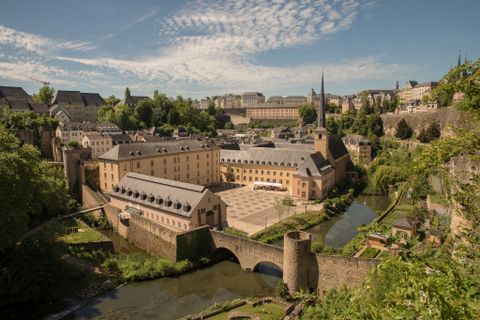
Abbey Neumünster
The picturesque Neumünster Abbey is not only a photographic highlight of every Luxembourg tourist, it is much more than that: a unique location where culture and encounters are the focus.
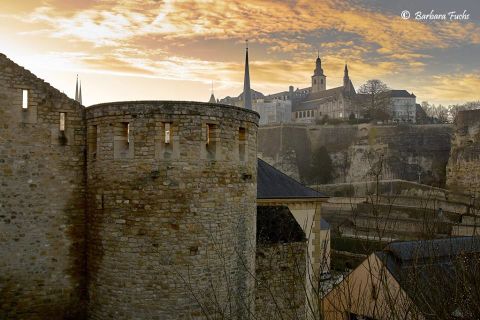
Wenzel Walk
This cultural-historical circuit is a must.The 5.5 km long Wenzelpfad connects Upper and Lower Towns and leads you past many sights such as the fortress wall, Bockfels, Abbey Neumünster, Old Town, Rham Plateau and breathtaking panoramic views.
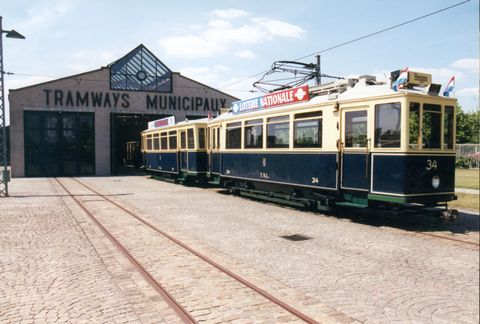
Tram and Bus Museum
The Luxembourg City Tram Museum invites you on a fascinating journey through the past, present and future of public transport in Luxembourg.Perfectly restored railcars and buses, numerous models in the scale of 1: 8 and a rich exhibition accompany you on this tour through the evidence of mobility.
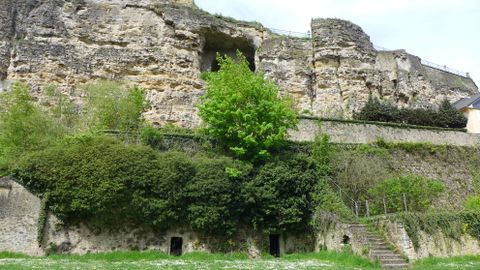
Pictures of Luxembourg City
LangsurPictures of Luxembourg City