Copyright: Deutsch-Luxemburgische Tourist Information
Igel
The municipality of Igel consists of the districts of Liersberg, Schauinsland, and Igel.
The municipality of Igel, including the district of Liersberg, is located on the left bank of the Moselle, where the deeply carved Upper Moselle Valley narrows before gradually opening into the wide Trier Basin.
The landscape is characterised by steep cliffs of red sandstone and shell limestone, where vines have been cultivated for centuries. The family-run wineries warmly welcome visitors for wine tastings. To the east, Igel borders the city of Trier, whose historic centre is only 10 km away. The Luxembourg border region, known locally as the “Ländchen”, is just 2 km away.
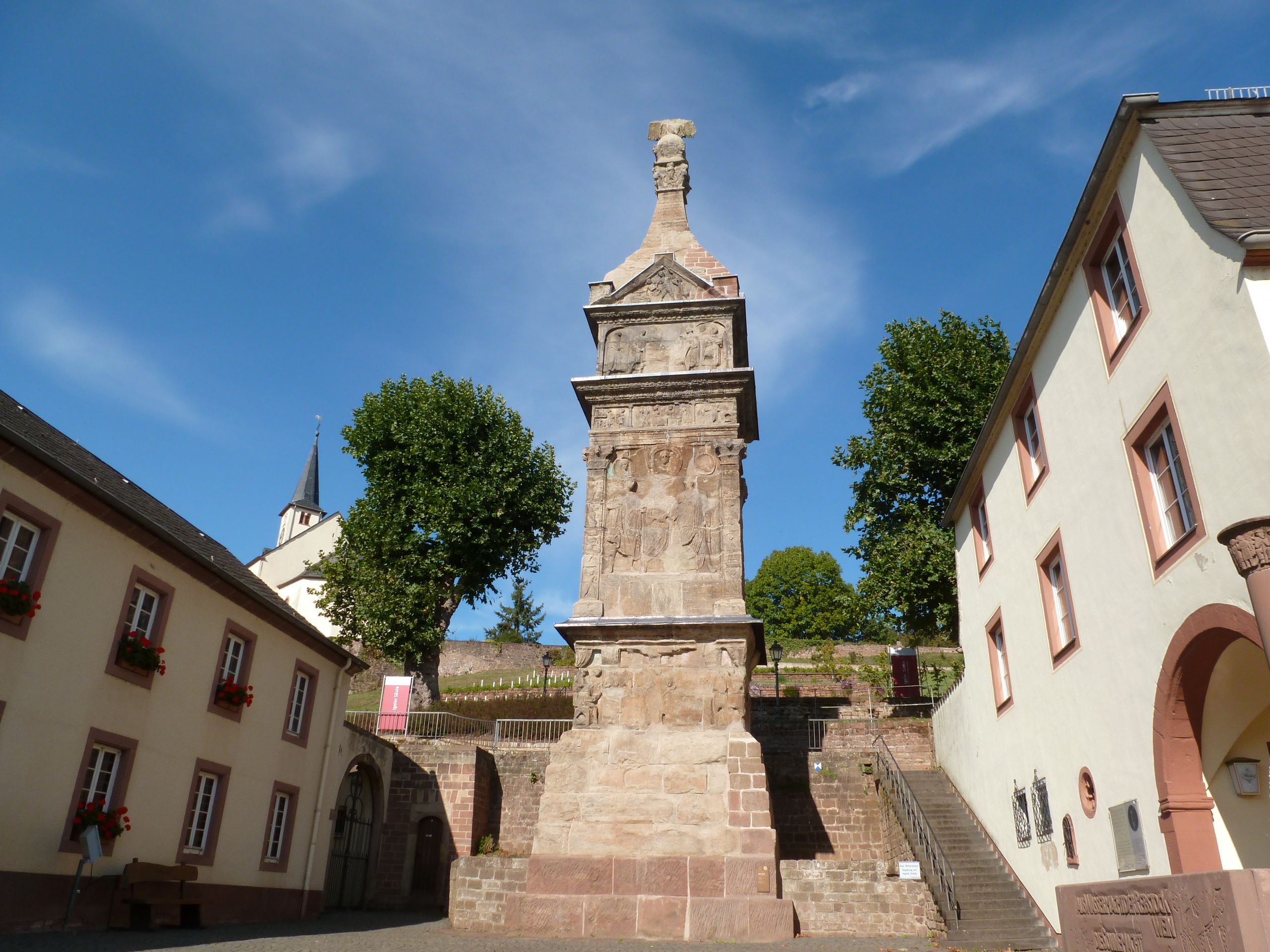
Igel was already well connected in ancient times, as the Roman road from Trier to Reims passed through the area. In the centre of the village stands the “Igeler Säule” (Igel Column), the best-preserved Roman funerary monument of its kind north of the Alps. It was built in the 3rd century from red sandstone by the Secundinii family, a wealthy family of cloth merchants, and is richly decorated with relief carvings. Since 1986, it has been included on the UNESCO World Heritage List.
Sights
17 results
Hiking
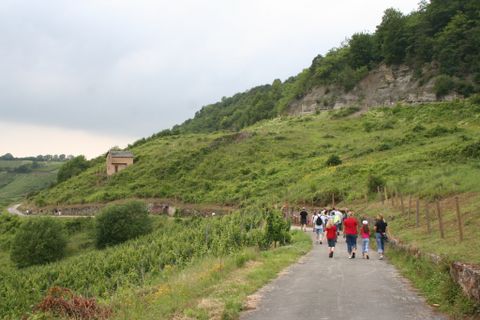
Hiking trail Igel 1
IgelOpen at all times
Distance:8.1 km
Duration:2:30 h
Difficulty:Medium
Start at the UNESCO World Cultural Heritage site `` Igeler Säule´ ´ and enjoy an 8.1 km long tour along the villages of Schauinsland and Liersberg past fruit orchards and vineyards. Enjoy magnificent views for example at the ``Richardshöhe``.
Hiking
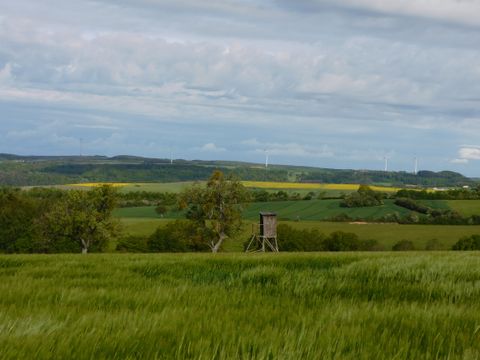
Hiking Trail Igel 2
Open at all times
Distance:8.3 km
Duration:2:15 h
Difficulty:Medium
This moderate 8,3 km long tour offers wide meadows and forests beside the mountain ranges above the river Mosel.
Hiking
Hiking Trail Igel 3
IgelDistance:5.5 km
Duration:1:30 h
Difficulty:Easy
The tour is very entertaining and great for a walk. The combination of the river and the hillside makes the appeal. A stop at the ``Gruthenhäuschen``, a reconstructed Roman tomb temple, reveals the Roman influence in the region.
Hiking
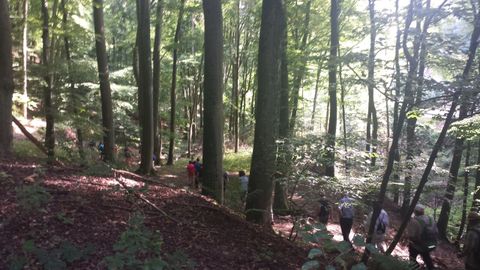
Hiking Trail Igel 4
IgelDistance:7.8 km
Duration:2:00 h
Difficulty:Easy
The start and finish point is the "Igeler Säule". The Igel column is the largest Roman tomb north of the Alps and belongs to the UNESCO World Cultural Heritage. The information panel and the columnar garden invites you to explore and linger. A forest trail connects the villages of Igel and Trier-Zewen. Through the lively Zewen you walk past fruit and vegetable fields to the Mosel and back to the starting point.
Hiking
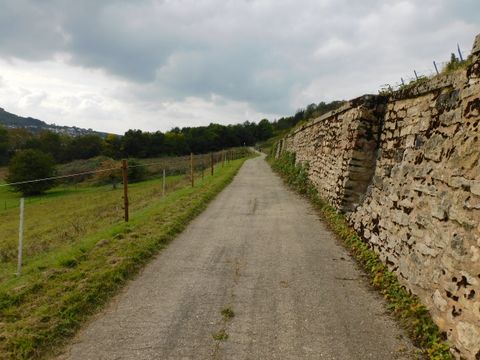
Hiking Trail Igel 5
Distance:5.5 km
Duration:1:45 h
Difficulty:Medium
Hiking, where back in time the ancient Romans ran. The loop tour runs along the old Roman road and offers nice views over rivers and valleys.The vineyards always remind us that this is a wine region. The Elbling (amongst others) is cultivated, a grape variety already known by the Romans.
Hiking
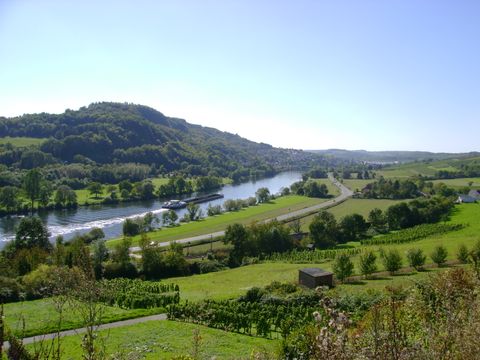
Moselsteig Leg 4
Distance:21.1 km
Duration:5:15 h
Difficulty:Medium
In the footsteps of the Romans from Konz to Trier
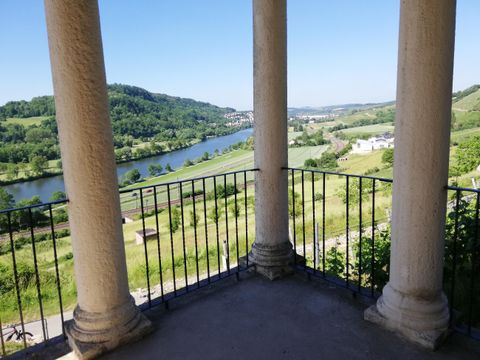
Grutenhäuschen (Roman Tomb)
IgelOpen today
As a resting place, the small Roman temple, the Grutenhäuschen, offers visitors a breathtaking view of the nearby Moselle.