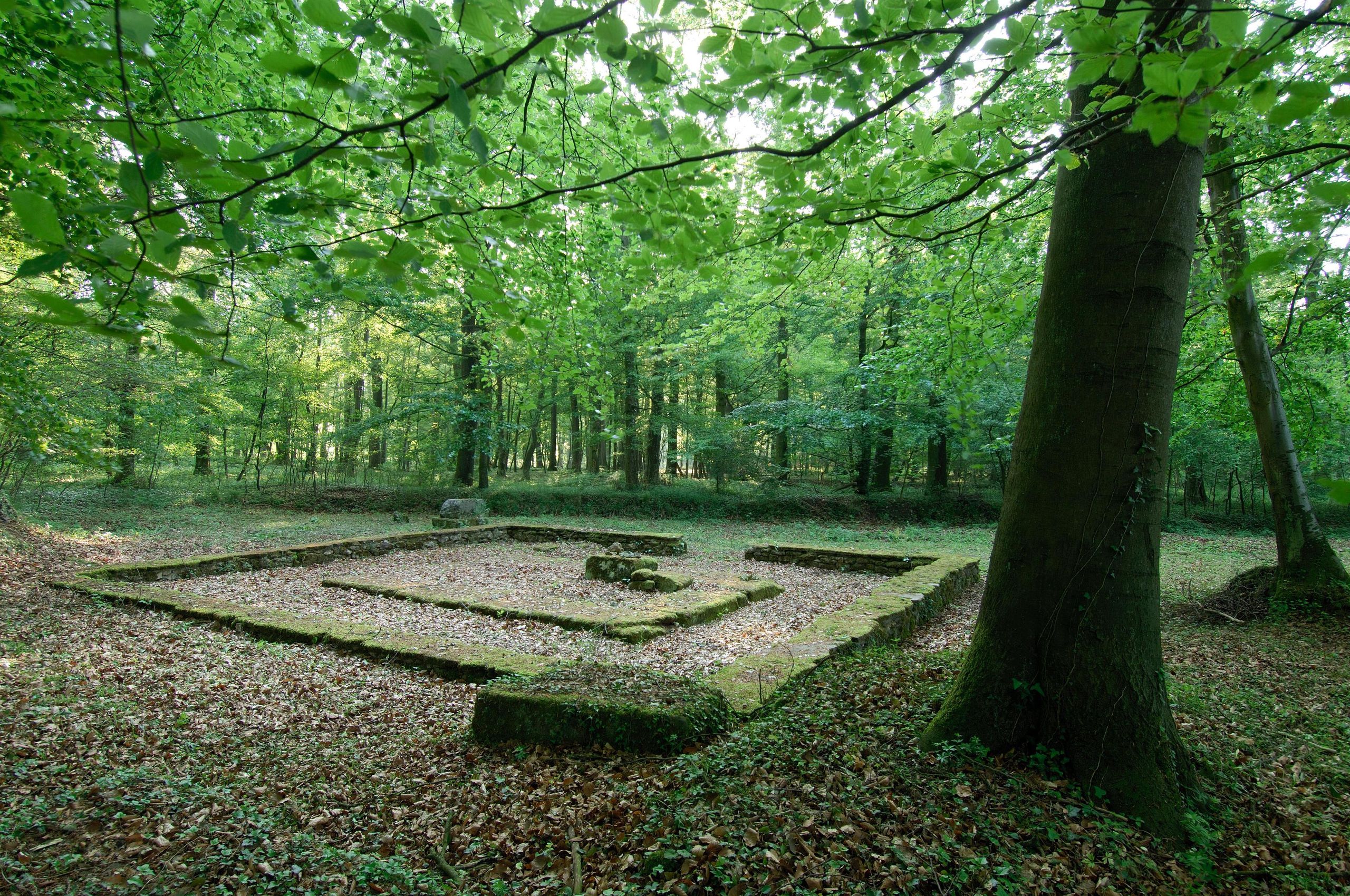
Copyright: Deutsch-Luxemburgische Tourist-Information
Roman roads
You can find information on all the stations of the Roman roads at https://www.strassen-der-roemer.eu/
Roman buildings in Trier-Land and Luxembourg
20 results
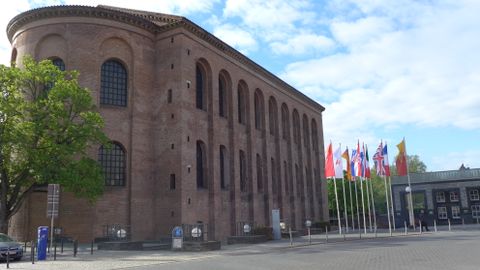
Konstantin Basilika
The Konstantin-Basilika has been on the UNESCO World Cultural Heritage list since 1986. The throne room of Emperor Constantine is the largest single room that has survived from antiquity.
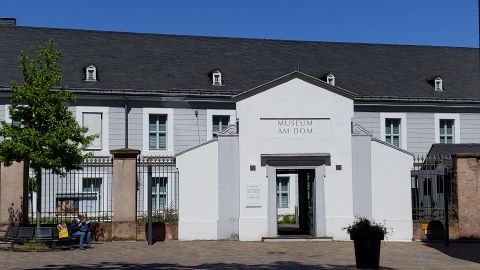
Museum Dom
The modern, light-flooded museum displays, among other things, works of Christian art and religious customs.
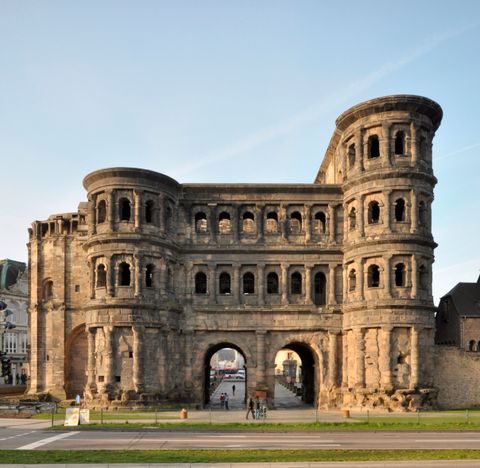
Porta Nigra
The Porta Nigra is the best-preserved Roman city gate north of the Alps, and is on the UNESCO World Cultural Heritage list.
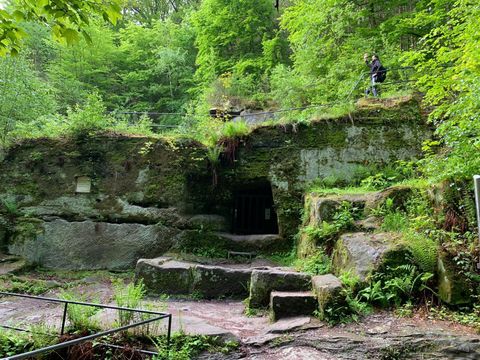
Pützlöcher – Roman Quarry
KordelOpen today
The Roman mine is one of the largest and oldest Roman mines in Germany.
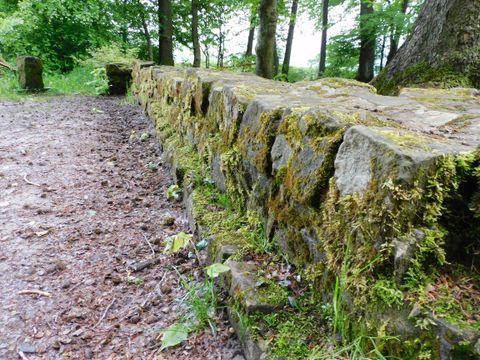
Remains of a roman longwall
ZemmerOpen today
The Roman ``Langmauer`` of Butzweiler is a reconstruction. The wall had an original length of 72 km, a thickness of 80 cm and a height of 2 meters. The original wall was built end of the 4C.
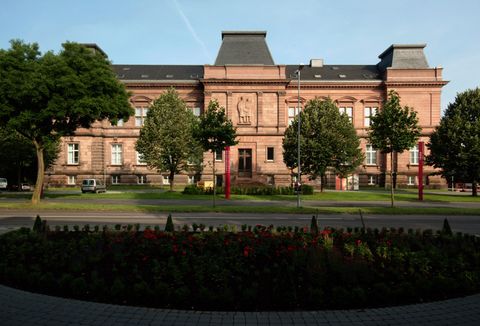
Rhine State Museum Trier
The Rheinisches Landesmuseum Trier is one of the most important archaeological museums of Roman antiquity in Europe.
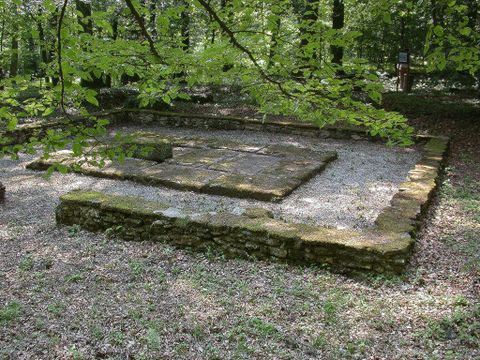
Roman cemetery "Weiler"
WasserbilligOpen today
The Gallo-Roman cemetery near the road (between Wasserbillig and Lellig) was discovered in 1970. The finds of the Gallo-Roman grave can be dated to between 75 and 100 AD, and suggest that those buried here belonged to a rich family.
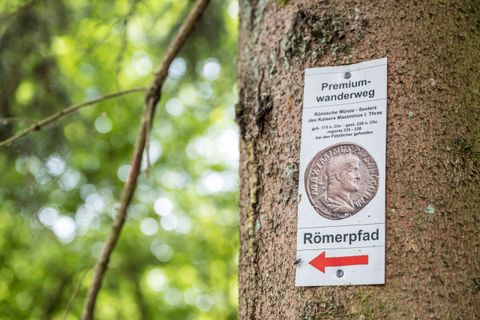
Hiking
Roman Path closed
KordelDistance:9.4 km
Duration:4:00 h
Difficulty:Medium
The ´`Römerpfad`` is a premium walk. It leads past many Roman sights and along the waterfalls, one of the most beautiful hiking areas in the district of Trier-Saarburg.
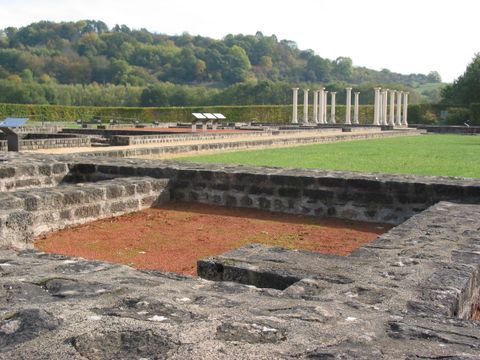
Roman villa
The Roman villa in Echternach is one of the largest and richest rural properties in the surrounding areas of Roman Trier
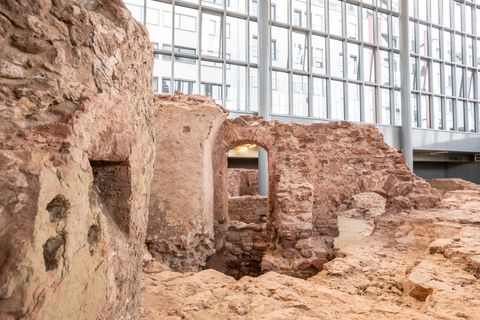
Thermal baths on the Viehmarkt
The thermal baths on the cattle market are surrounded by a protective glass building. An impressive variety of archaeological evidence can be admired here.For more information please visit